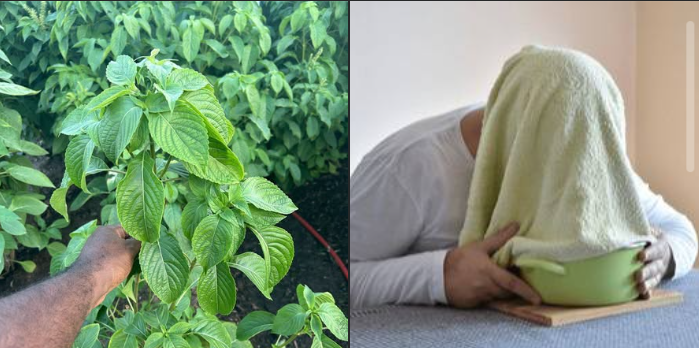
Across many parts of Africa and other regions of the world, herbal mixtures have long been used as part of traditional approaches to digestive comfort.
One commonly shared preparation combines neem leaves, ginger, and ageratum (often called Billy Goat Weed), typically boiled together into a herbal decoction. While this blend is widely discussed in traditional practice, it’s important to understand what is known — and what is still uncertain — from a scientific perspective.
Why This Herbal Combination Is Traditionally Used
Each of these plants has a history of use in supporting digestive wellness. Their popularity comes not from a single effect, but from the combination of properties they are believed to offer.
🌿 Neem Leaves (Azadirachta indica)
Neem has been used in traditional medicine systems for its antimicrobial and anti-inflammatory properties.
Laboratory and experimental studies suggest that neem extracts may:
- Help reduce the activity of certain microorganisms
- Support the integrity of the stomach lining in experimental models
- Contribute to balancing digestive conditions
Because of these properties, neem is often included in herbal preparations aimed at maintaining digestive health.
🌿 Ginger (Zingiber officinale)
Ginger is one of the most widely studied medicinal plants for digestive support.
Research has shown that ginger may:
- Support normal gastric motility (movement of food through the stomach)
- Help reduce inflammation
- Improve blood flow to digestive tissues
These effects can contribute to a general sense of digestive comfort, especially when used as part of a balanced diet.
🌿 Ageratum (Billy Goat Weed)
Ageratum has been used traditionally for its soothing and wound-supporting properties.
Preclinical studies suggest it may:
- Contain anti-inflammatory compounds
- Support tissue repair processes
- Provide mild antimicrobial activity
This helps explain its traditional use in preparations intended to support internal tissue comfort.
Why They Are Combined
In traditional practice, these herbs are often used together based on the idea that combining different plant properties may provide broader support.
For example:
- Neem contributes antimicrobial and protective effects
- Ginger supports digestion and circulation
- Ageratum adds soothing and tissue-supporting properties
However, it’s important to note that there is limited scientific research specifically on this exact combination, and most available evidence focuses on the individual plants rather than the mixture itself.
What Science Currently Says
Some studies have explored these plants individually:
- Ginger has been studied for its anti-inflammatory and digestive-support effects (including research published in the Journal of Ethnopharmacology)
- Neem has shown antimicrobial and gastroprotective activity in experimental models (Phytotherapy Research)
- Ageratum has demonstrated anti-inflammatory and wound-related effects in laboratory studies (Frontiers in Pharmacology)
While these findings are encouraging, they are largely based on laboratory or animal research, not large-scale human clinical trials.
A Balanced Perspective
Herbal mixtures like this are part of long-standing traditional practices, and many people report experiencing relief when using them.
However, it is important to understand:
- Effects can vary from person to person
- Scientific evidence in humans is still limited
- Preparation methods and dosage are not standardized
This means such mixtures should be approached as supportive traditional practices, not as proven medical treatments.
⚠️ Important Safety Considerations
Digestive symptoms can sometimes be linked to conditions such as gastritis or peptic ulcer disease, which may require proper medical evaluation and treatment.
If you are experiencing:
- Persistent stomach pain
- Burning sensations
- Nausea or vomiting
- Loss of appetite
it is important to seek medical advice rather than relying on home remedies alone.
Herbal preparations can also:
- Interact with medications
- Vary in strength depending on preparation
- Cause side effects in some individuals
The Bottom Line
Neem, ginger, and ageratum are all plants with a history of traditional use and emerging scientific interest for their digestive-support properties.
When used thoughtfully, they may contribute to general digestive comfort as part of a broader lifestyle approach. However, they are not a replacement for medical care, especially in cases of persistent or severe symptoms.
Important Disclaimer
This article is for educational purposes only and does not constitute medical advice. Always consult a qualified healthcare professional before using herbal remedies, especially if you have an existing medical condition or are taking medication.