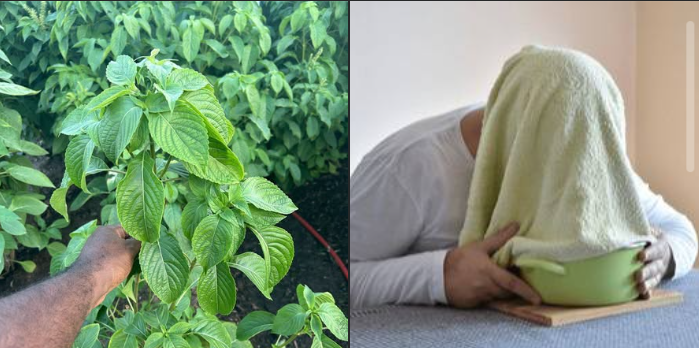
Dried Papaya Leaf Tea for Prostate and Hormonal Health: What Tradition Says — and What Science Is Beginning to Explore
There’s a quiet wisdom in the way tropical communities have always used the plants around them. The papaya tree (Carica papaya) is one of the best examples of this. Walk through a village in West Africa, Southeast Asia, or Central America, and you’ll likely find someone who knows exactly what the leaves can do — not just the fruit.
While the sweet orange flesh gets most of the attention, it’s the leaves — dried, boiled into a dark bitter tea — that have held a special place in traditional wellness for generations. And increasingly, that traditional knowledge is catching the interest of researchers.
This article explores what cultures have long believed about dried papaya leaf tea for men’s prostate health and women’s hormonal balance, what early science has begun to uncover, and what you genuinely need to know before trying it.
A Little Background on the Papaya Leaf
The papaya plant is native to Central America and has spread across virtually every tropical region in the world, including Nigeria, India, the Philippines, Vietnam, and Brazil. In all of these places, the fruit became a dietary staple — but the leaves became medicine.
Papaya leaves are intensely bitter, which is often a sign of their rich phytochemical content (plant compounds with biological activity). They contain flavonoids, alkaloids, phenolic compounds, the enzyme papain, and a range of antioxidants that researchers are still working to fully understand.
This isn’t the nutritional simplicity of a fruit — the leaf is biologically active, which is precisely why it deserves both attention and caution.
For Men: What Does Tradition Say About Prostate Health?
Prostate concerns are remarkably common among men as they age. Benign Prostatic Hyperplasia (BPH) affects a significant portion of men over 50, causing symptoms like frequent urination, weak flow, and disrupted sleep.
In communities where medical care was historically limited or expensive, men often turned to natural remedies — including papaya leaf tea.
Traditionally, it was believed to help calm inflammation in the prostate and support urinary function. For a long time, this remained within traditional knowledge. Now, early research is beginning to explore these claims.
A study on experimental autoimmune prostatitis (a lab model for prostate inflammation) found that papaya leaf extract reduced prostate enlargement and lowered levels of inflammatory markers such as interleukin-6 and tumor necrosis factor-alpha (chemicals involved in inflammation).
In simpler terms: the extract appeared to calm inflammation linked to prostate enlargement — at least in controlled laboratory settings.
Separately, research from the University of Queensland examined papaya leaf extract on prostate cell lines. Certain fractions of the extract slowed the growth of abnormal prostate cells, while having minimal effect on healthy ones.
This selective effect is what made the findings particularly interesting to researchers.
To be clear:
These are laboratory and animal studies, not human clinical trials. We cannot directly assume the same results would occur in people. However, they do offer a possible explanation for why this remedy has been used traditionally.
For Women: Hormonal Balance and Menstrual Support
Papaya leaf use for women’s health is just as widespread, spanning cultures in Asia and Africa.
Traditionally, it has been used to:
- Support menstrual regularity
- Ease cramping
- Help with hormonal imbalance
Research suggests that quercetin (a compound found in papaya leaves) may have mild estrogen-like effects in the body.
In animal studies, papaya leaf extract influenced reproductive tissue development in ways similar to estrogen. This could be relevant for women with low estrogen levels — though again, this is early research.
Papaya leaf tea is also traditionally used to ease menstrual discomfort. This aligns with its anti-inflammatory properties.
Another compound, papain, may influence uterine activity (how the uterus contracts), which helps explain its traditional use for delayed cycles.
👉 Important context:
Most of this evidence comes from animal studies and traditional use, not large human trials. So while the biological explanation is plausible, it is not yet fully confirmed in clinical settings.
How Papaya Leaf Tea Is Traditionally Prepared
Across cultures, the method is simple but consistent.
A common approach involves:
- 2–3 dried papaya leaves (or about 1 teaspoon of powder)
- Simmered in 2 cups of water for 10–15 minutes
- Strained and cooled slightly before drinking
The tea will be bitter — this is normal and reflects its active compounds. Some people add honey to improve taste.
It is usually taken once or twice daily, and often in cycles (not continuously over long periods).
Preparation matters. Research shows that how the leaf is processed affects which compounds are extracted and how strong the effect may be.
What You Genuinely Need to Know Before Trying It
This section matters most.
If you are pregnant, do not use papaya leaf.
It is considered a significant safety risk due to its effects on uterine activity.
If you take blood thinners (like warfarin):
Papaya leaf may increase bleeding risk.
If you take diabetes medication:
It may lower blood sugar further, which could be unsafe without monitoring.
If you have a prostate condition under medical care:
Always involve your doctor. Monitoring (like PSA levels) is important and should not be replaced by herbal use.
If you experience side effects (nausea, stomach discomfort):
Stop use and seek medical advice.
The Honest Bottom Line
Dried papaya leaf tea represents something valuable — a traditional remedy now being explored scientifically.
Early findings suggest:
- Anti-inflammatory effects (relevant to prostate health)
- Hormone-related activity (relevant to menstrual health)
But we are still in the early stages of research.
There are no large human trials yet, and we cannot make definitive claims about effectiveness or safety for long-term use.
Used thoughtfully, papaya leaf tea may be part of a broader lifestyle approach to health. But it should never replace proper medical care.
The best approach is a balanced one — where traditional knowledge and modern medicine work together.
This article is for educational purposes only and does not replace medical advice. Always consult a qualified healthcare professional before using any herbal remedy.