Quick Summary (If You Just Want the Key Points)
- Lemon balm may help calm an overactive thyroid (hyperthyroidism)
- It may not be suitable for underactive thyroid (hypothyroidism) without medical guidance
- Most research is still early (lab and animal studies)
- It is not a replacement for thyroid medication
Lemon Balm and Your Thyroid: What This Gentle Herb Can and Cannot Do
Living with a thyroid condition — whether it’s an underactive thyroid (hypothyroidism) or an overactive one (hyperthyroidism) — can feel like your body is constantly working against you.
The fatigue, the weight shifts, the mood swings, the heart palpitations — it’s exhausting. And it makes complete sense that many people start looking beyond their prescription pad for additional support.
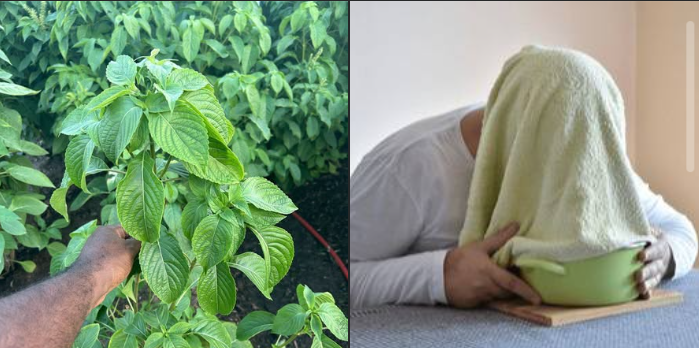
Lemon balm (Melissa officinalis) is one of the herbs that keeps coming up in those conversations. It has a long history in traditional medicine, a pleasant lemon scent, and a growing body of early research that makes it worth understanding properly.
But here’s the important part — lemon balm doesn’t affect all thyroid conditions the same way. In some cases, using it without guidance could actually work against you.
What Is Lemon Balm, and Why Does It Matter for the Thyroid?
Lemon balm is a low-growing herb from the mint family, used in herbal medicine for over 2,000 years. Traditionally, it has been valued for calming anxiety, improving sleep, easing digestion, and helping manage symptoms linked to an overactive thyroid.
One of its key active compounds is rosmarinic acid.
Here’s a simpler way to understand what that means:
Your thyroid is controlled by a hormone called TSH (thyroid-stimulating hormone), produced by the brain. TSH tells your thyroid how much hormone to produce.
Some studies suggest that lemon balm extracts may interfere with how TSH binds to its receptor — meaning it can make it harder for the thyroid to receive the signal to produce more hormone.
Rosmarinic acid may also slow down part of the internal signalling process (called the adenylate cyclase pathway — a process inside cells that helps trigger hormone production).
In simple terms:
👉 Lemon balm may act like a gentle “brake” on thyroid activity.
There is also early evidence suggesting it may affect certain immune-related factors involved in Graves’ disease (a common cause of hyperthyroidism), though this is still being studied.
So Is Lemon Balm Good for Hyperthyroidism — or Hypothyroidism?
This is where things need to be clear.
For hyperthyroidism (overactive thyroid):
This is where lemon balm appears most relevant.
If your thyroid is producing too much hormone, a herb that may help slow stimulation could be useful as support, not treatment.
Traditional use and early research suggest that compounds in lemon balm (like rosmarinic acid and other plant compounds) may help reduce excessive thyroid activity.
For hypothyroidism (underactive thyroid):
This is more complex.
Because lemon balm may reduce thyroid stimulation, it could potentially make symptoms worse in someone whose thyroid is already underactive.
Some compounds in lemon balm may reduce thyroxine production or interfere with TSH signalling — which could further slow thyroid activity.
However, there is a more nuanced picture.
Some animal studies suggest that lemon balm extract may help normalise thyroid hormone levels in hypothyroid conditions, possibly due to its antioxidant and anti-inflammatory effects.
👉 The key takeaway:
- Effects may vary
- Research is still limited
- Human clinical evidence is lacking
What Lemon Balm Is Better Studied For
While thyroid-specific research is still developing, lemon balm has stronger evidence in areas that matter just as much — especially for people with thyroid conditions.
For example:
- Anxiety and stress: Lemon balm may support calming brain activity through GABA (a neurotransmitter that helps reduce overactivity in the nervous system)
- Sleep: It has shown benefits for improving sleep quality, especially when combined with other herbs
Since thyroid conditions often affect mood, stress, and sleep, these benefits can still be meaningful.
How It’s Traditionally Prepared
If you decide to explore lemon balm (after speaking with your doctor), here are common traditional methods:
As a tea (dried leaves):
- Steep 1 teaspoon in hot water for 7–10 minutes
- Cover while steeping to retain active compounds
- Drink once or twice daily
Fresh leaf tea:
- Use a small handful of fresh leaves
- Lightly crush and steep for about 5 minutes
- Produces a lighter, more aromatic tea
Lemon balm is generally well tolerated when used in moderate amounts. However, preparation and dosage still matter.
Please Read This Before You Start
This isn’t just a warning — it’s genuinely important.
If you have a thyroid condition, your hormone balance is sensitive, and even mild herbs can have effects.
- If you take levothyroxine (hypothyroidism): Lemon balm may interfere with how your treatment works
- If you take antithyroid drugs (hyperthyroidism): Combined effects may lower hormone levels too much
- If you take antidepressants or sedatives: Lemon balm may enhance their effects
- Pregnancy or breastfeeding: Safety data is limited
👉 Always involve your doctor before adding it.
The Honest Bottom Line
Lemon balm is a well-known herbal plant with a plausible biological effect on thyroid activity, especially in hyperthyroidism.
It has:
- A long history of traditional use
- Early scientific support
- Good safety when used carefully
But it is not:
- A cure
- A replacement for medication
- A one-size-fits-all solution
The research is still developing, and large human studies are limited.
If you’re considering it, the safest approach is to use it as part of a broader, medically guided plan.
Nature works best when it supports good medicine — not replaces it.
This article is for educational purposes only and does not replace medical advice. Always consult your doctor or endocrinologist before using any herbal remedy.