
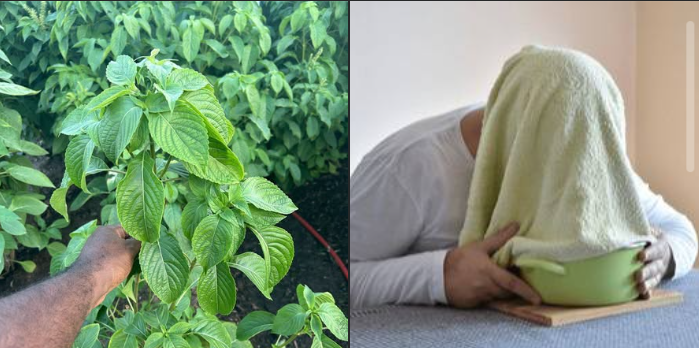
Catarrh and nasal congestion can be uncomfortable and frustrating. Many people experience blocked nasal passages, excess mucus, and difficulty breathing through the nose. While over-the-counter medications are commonly used, some individuals prefer trying simple home remedies first.
One traditional method involves using scent leaves and steam inhalation to help open up the nasal passages naturally.
What Is Catarrh?
Catarrh refers to the build-up of mucus in the nose, throat, or sinuses. It can make breathing difficult and often causes irritation in the throat.
Common causes include:
- The common cold
- Sinus infections
- Allergies
- Exposure to dust, smoke, or pollution
When mucus accumulates in the nasal passages, it may lead to symptoms such as blocked nose, frequent throat clearing, headaches, and difficulty breathing.
Reference:
https://www.healthline.com/health/steam-inhalation (Healthline)
Why Steam Inhalation Is Commonly Used
Steam inhalation is a traditional home remedy used to help relieve nasal congestion. The warm moisture may help:
- Loosen thick mucus
- Moisturize irritated nasal passages
- Provide temporary relief from congestion
Some people also add herbs or aromatic leaves to the steam for a more soothing experience.
However, scientific studies show mixed results. Some research suggests steam inhalation may improve symptoms in certain individuals, while other studies show little benefit for chronic sinus congestion. (apjai-journal.org)
Using Scent Leaves for Steam Inhalation
Scent leaves (commonly known as African basil) are widely used in traditional cooking and herbal practices in many African countries. The leaves contain natural aromatic oils that produce a strong fragrance when heated.
These natural compounds may create a refreshing steam that some people find soothing for the nose and throat.
Ingredients You Need
To try this simple home remedy, you will need:
- A handful of fresh scent leaves
- Clean water
- A pot
- A bucket or large bowl
- A towel
Preparation Steps
- Wash the scent leaves thoroughly.
- Add the leaves to a pot of water.
- Boil the mixture for about 20 minutes.
- Carefully pour the hot water and leaves into a bucket or bowl.
How to Do the Steam Inhalation
Follow these steps carefully:
- Sit comfortably in front of the bucket or bowl.
- Cover your head with a towel to trap the steam.
- Lean slightly over the bowl.
- Inhale the steam slowly through your nose and mouth.
- Continue for 5–10 minutes.
The warmth and aroma may help loosen mucus and create a temporary feeling of clearer breathing.
Important Safety Tips
Steam inhalation should always be done carefully:
- Avoid placing your face too close to boiling water.
- Do not allow children to do steam inhalation without supervision.
- Stop immediately if you feel dizzy or uncomfortable.
Hot water steam can cause burns if handled improperly. (Healthline)
When to See a Doctor
Home remedies may help with mild congestion, but medical care may be necessary if symptoms persist.
Consult a healthcare professional if:
- Catarrh lasts more than 10 days
- You have severe sinus pain
- There is fever or thick yellow/green mucus
- Breathing becomes difficult
A doctor can determine the underlying cause and recommend the appropriate treatment.
Final Thoughts
Natural remedies like steam inhalation with scent leaves are widely practiced in many cultures. While the warm steam and aroma may provide temporary comfort, results can vary from person to person.
For best results, combine healthy habits such as staying hydrated, resting, and seeking medical advice when symptoms persist.
Nature offers helpful remedies, but informed health decisions are always important.
References
- Healthline – Steam Inhalation: Benefits, Risks, and How To
https://www.healthline.com/health/steam-inhalation (Healthline) - Asian Pacific Journal of Allergy and Immunology – Steam inhalation and nasal obstruction study
https://apjai-journal.org/original-article/ap-090818-0393/ (apjai-journal.org) - Canadian Medical Association Journal – Study on steam inhalation and sinus symptoms
https://pubmed.ncbi.nlm.nih.gov/27431306/ (PubMed)


